
The  Way
Way
A brief guide to why we built Shortcut and how it empowers your team to excel.
Software teams face a persistent challenge: move fast, keep quality high, and make sure that everyone knows what they’re working on.
The Shortcut Way is a framework that helps teams do all three. It streamlines capturing work, execution and tracking, while AI handles repetitive tasks.
These practices come from watching thousands of engineering teams use Shortcut. We’ve refined them over the years based on what actually keeps teams moving fast.
Break down your work into actionable pieces
Software development is complex, but its execution doesn’t have to be. Breaking down work effectively is both an art and a science.
-
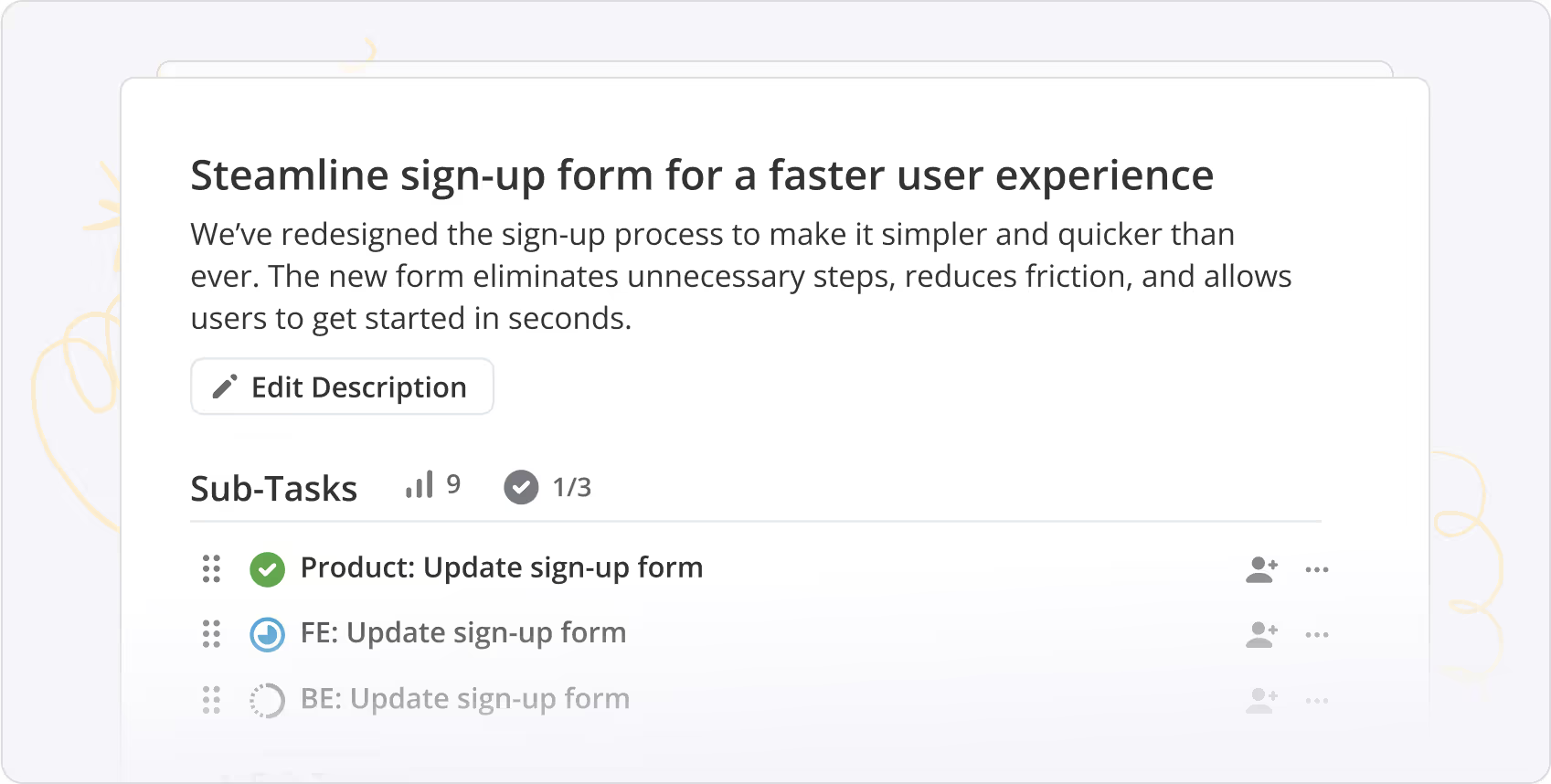
 Create a Story for every change you’re shipping.
 Each Story should capture the problem being solved and describe what you’re building. Classify each as a Feature, Bug, or Chore.
-
 Add Sub-tasks to each Story.
 Break down the implementation work into discrete, assignable pieces.
-
 Group related Stories into Epics.
 Each Epic should represent a meaningful customer or business outcome. Write a clear description of what success looks like and include measurable objectives so you can learn from what you ship.
-
 Ship Stories within an Epic iteratively.
 Don’t wait until the Epic is complete. Get work in front of some of your users as soon as individual Stories are done so you can start getting feedback.
Combine humans and agents to move faster
Use AI agents to take on the repetitive work that slows teams down, so you can focus on decisions, quality and delivery.
-
1. Identify your bottlenecks.
List the repetitive tasks that slow your team down: writing specs, breaking down problems, boilerplate code, test coverage, code review.
-
2. Assign agents to those tasks.
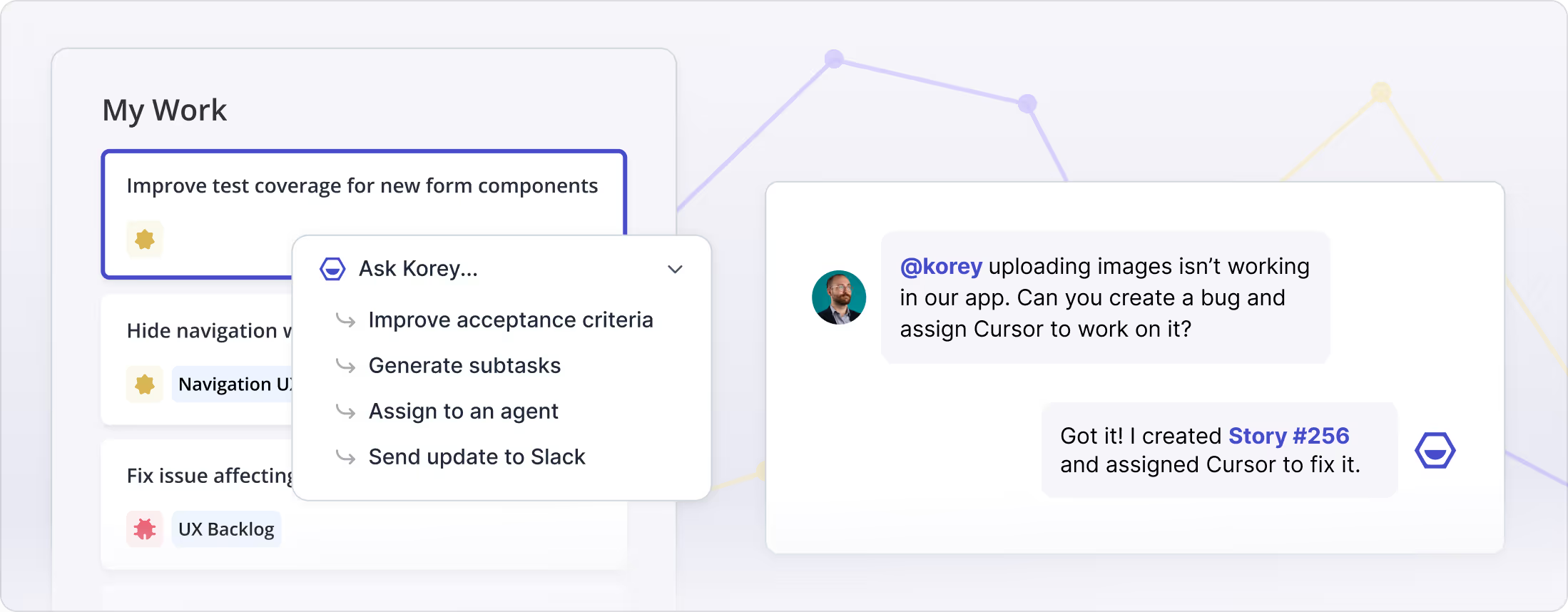
Use AI to break down user problems into solutions, add depth to Stories and PRDs, generate code and tests, and run code reviews to catch issues early.
-
3. Measure and expand.
Track time saved and quality improvements. Layer in more automation where you see results.
Use Korey, an AI agent that removes coordination work by automating tasks, tracking progress, and handing off work to coding agents.
Share progress as you build
As the work move through your team workflows, you’ll want to keep stakeholders informed of how different scopes are progressing.
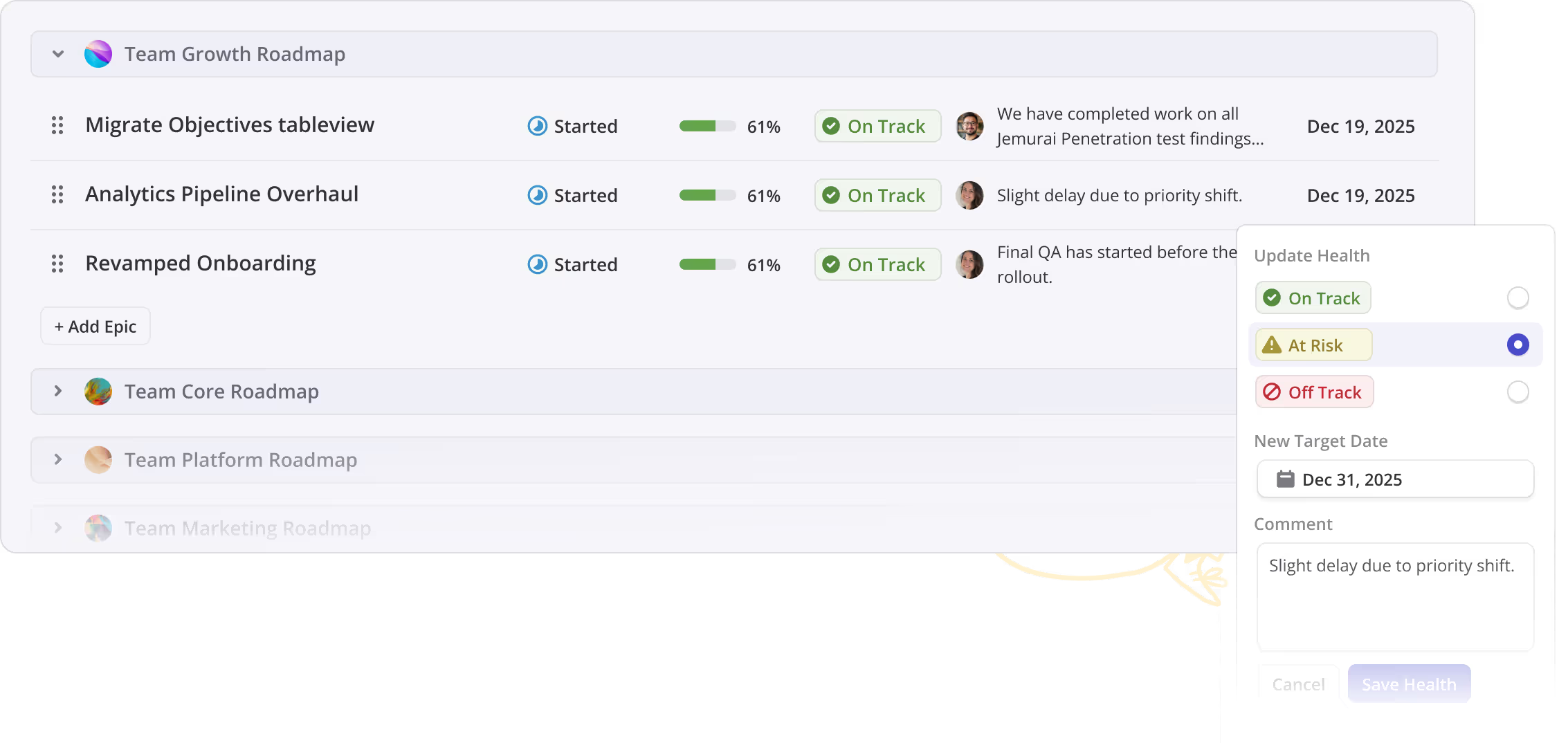
- Show progress on your Roadmap.
Use Roadmaps to give stakeholders visibility into what’s in flight and what’s coming next.
- Set a weekly status cadence.
Every week, share Roadmap progress with stakeholders.
-
 Update Epic Health weekly.
 Epic owners should review each Epic’s health status and adjust target dates as needed.
- See progress update automatically.
As Stories and Epics move through your workflow, stakeholders see real-time progress that reflects reality without manual reporting.
Tie work back to business goals
Continuous releases generate your feedback loop.
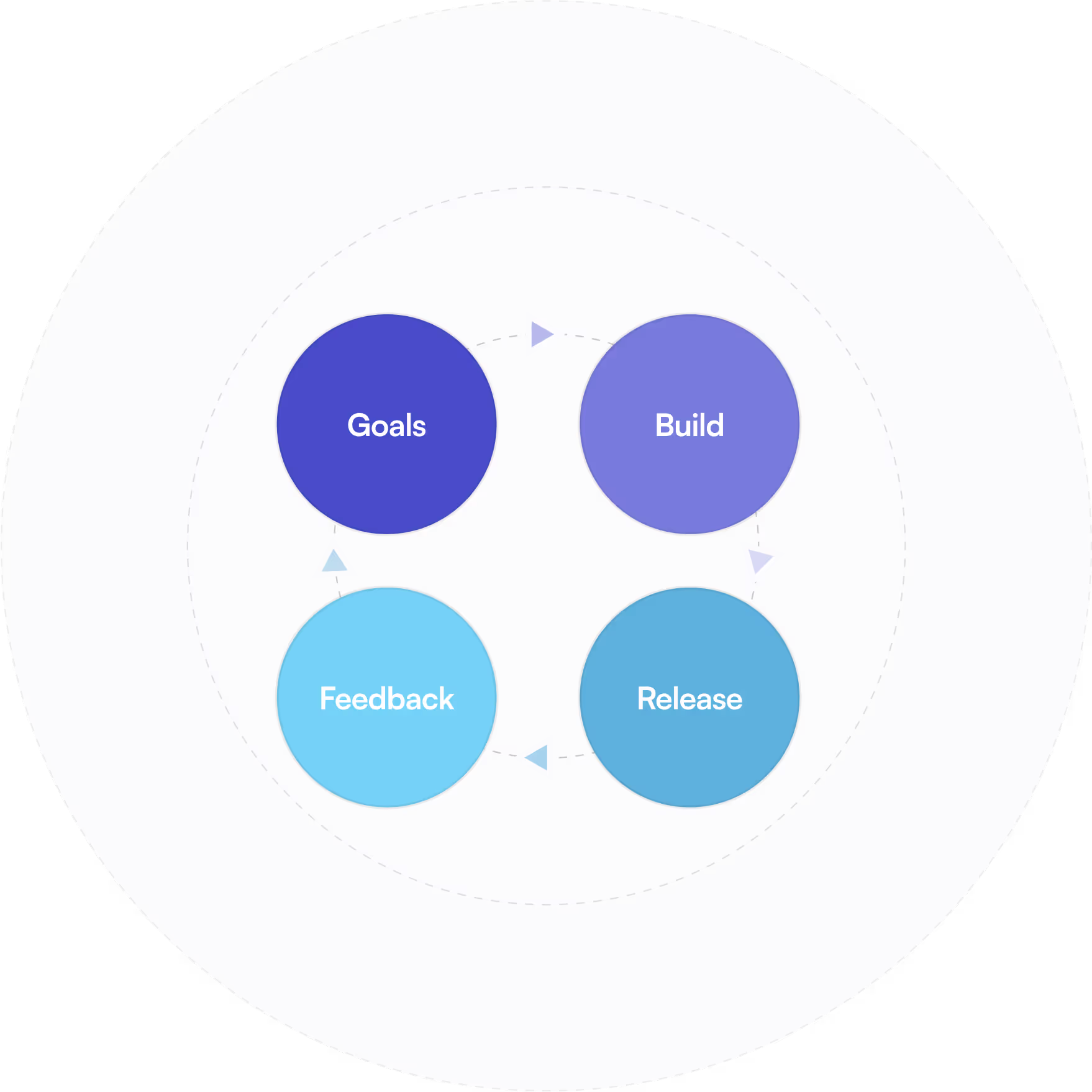
- Create a feedback pipeline.
Route user feedback directly into your Roadmap as candidate work.
- Re-prioritize based on impact.
As you analyze feedback and measure results, shuffle your Roadmap.
- Make planning a shared responsibility.
Product, Design, and Engineering leads should all participate in and be accountable for Roadmap planning.
Plan out what’s next
It’s critical that your teams understand the “why” behind their work, and what business impact is expected.
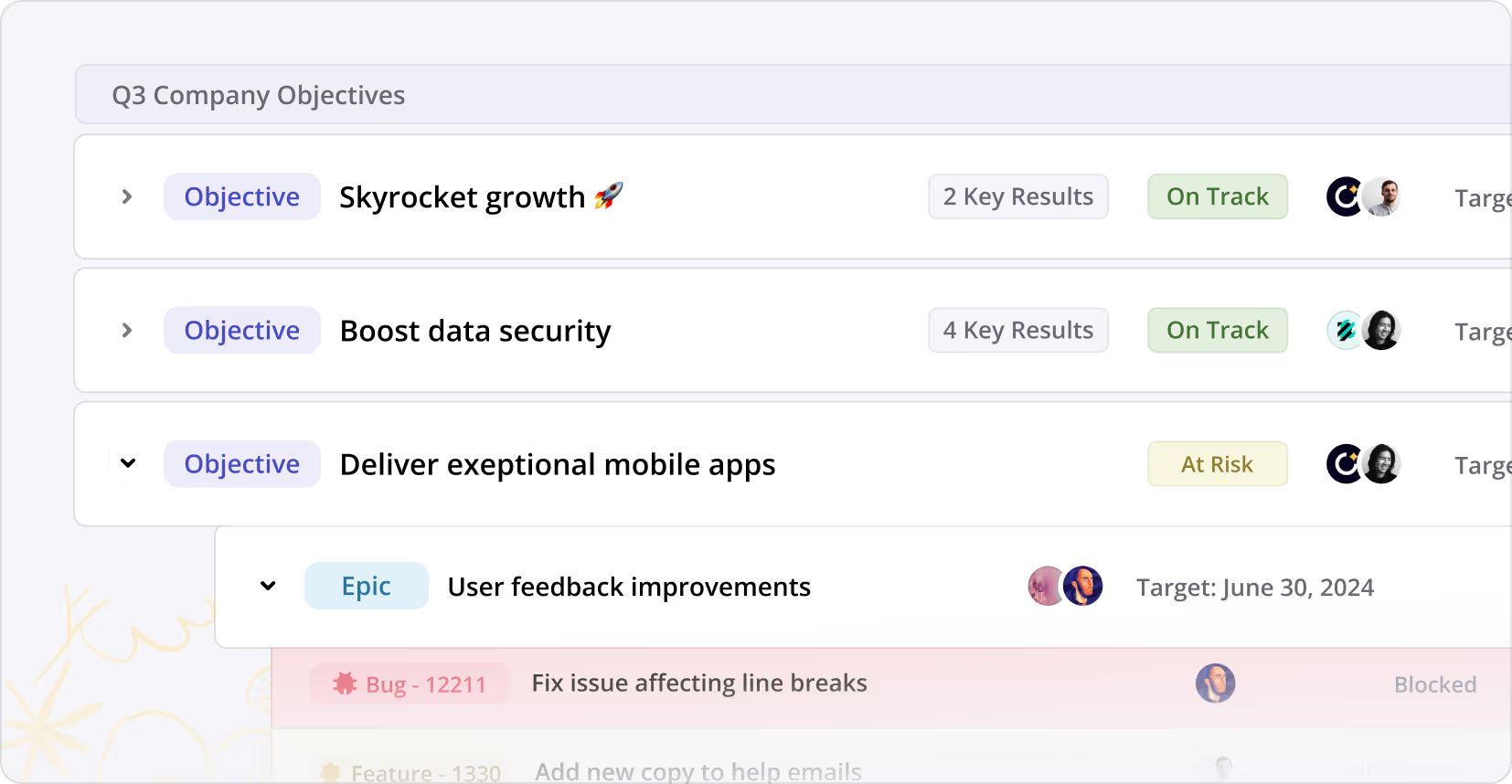
- Define OKRs.
Set clear Objectives and Key Results for the quarter or cycle.
- Prioritize your Roadmap against your OKRs.
Only add Epics that directly move you toward your goals.
- Connect Epics to an OKR.
Link Epics to the Objective or Key Result they’re expected to impact. Not every Epic should be expected to impact an OKR, but most of them should.
- Track key results as work ships.
When you release to users, update your key result values against expectations. Roll results up into objectives to see overall progress.

TL;DR
The Shortcut Way is a set of practices: break work into Stories and Epics, use agents for repetitive tasks, share progress as you build, re-plan based on feedback, and tie work back to business goals. Follow these practices and your team will stay aligned and ship faster.